
The Role of Container Trading in Solving 2025 Supply Chain Imbalances

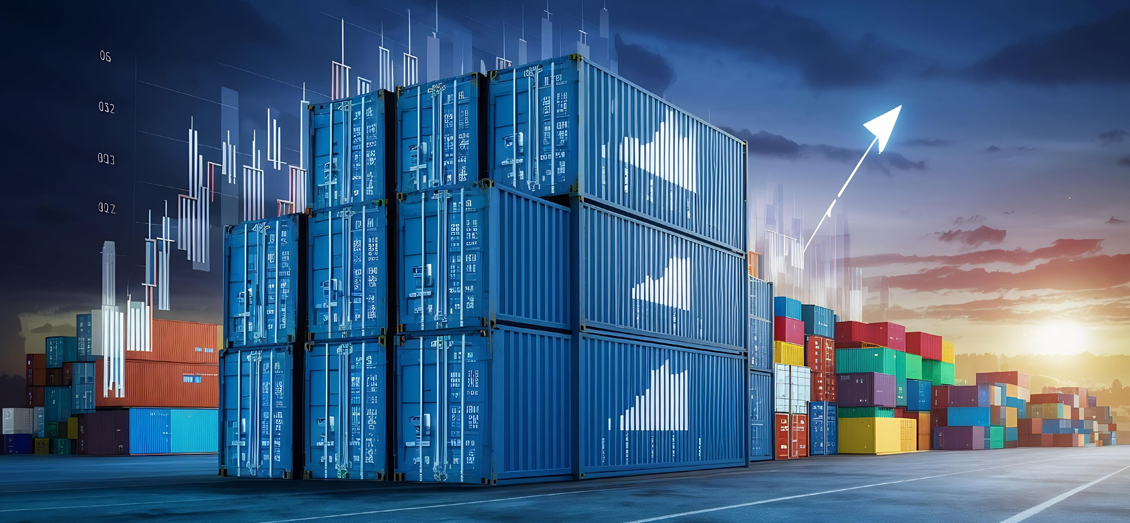
In 2025, approximately 41% of global container transport consists of empty containers, up from 31% previously, causing widespread port congestion and supply chain disruptions.
The Port of Los Angeles saw a 46% increase in empty container volumes from 2023 to 2025, while other major U.S. ports experienced 20-30% increases, exacerbating equipment shortages in Asia.
NVOCCs (Non-Vessel Operating Common Carriers) are increasingly adopting container trading and one-way leasing models, with digital platforms like Container XChange facilitating real-time container repositioning and reducing empty container movements by up to 35%.
AI and digital tools are transforming container logistics, enabling predictive analytics, real-time tracking, and automated compliance, which improves supply chain resilience and reduces costs by 20-40%.
The global container market is projected to grow at a 3.6% CAGR from USD 8.1 billion in 2025 to USD 11.6 billion by 2035, with specialized containers (reefers, flat racks) playing a critical role in mitigating imbalances and supporting high-value cargo transport.
Executive Summary
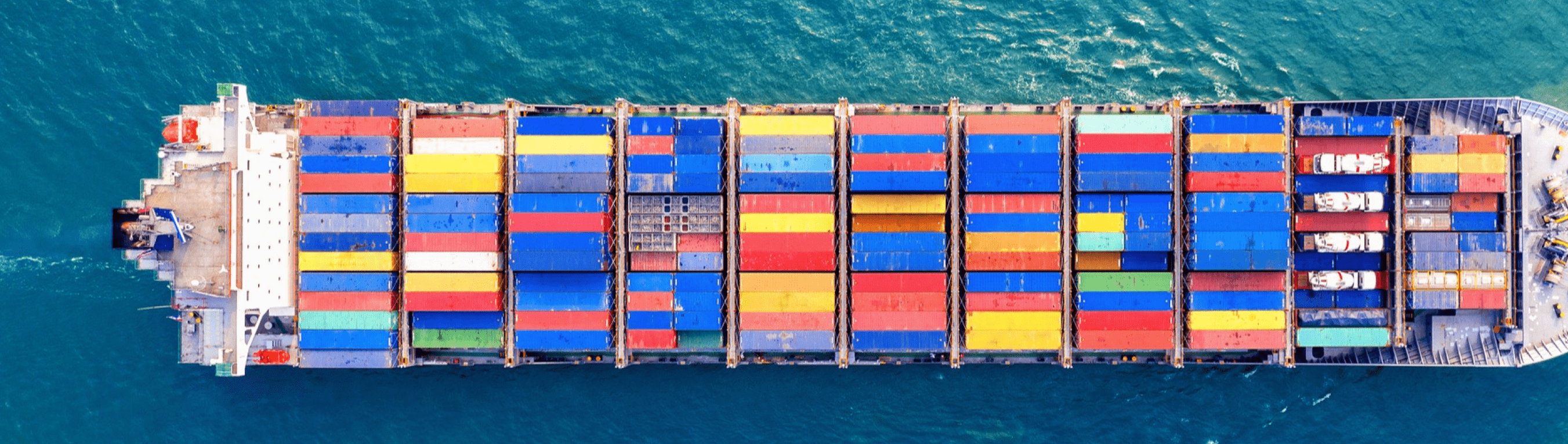
The global supply chain in 2025 is grappling with severe container imbalances, characterized by a surge in empty container volumes at key ports, particularly in the United States, and acute shortages in manufacturing hubs like China and Southeast Asia. This imbalance is driven by geopolitical tensions, trade policy shifts, and lingering pandemic effects, leading to port congestion, increased freight rates, and delayed shipments. The cost of empty container repositioning has skyrocketed, with estimates suggesting billions of dollars annually spent on moving empty containers back to deficit regions. Average delay costs per shipment due to equipment shortages are also rising, adding pressure on global trade flows.
Container trading, particularly through NVOCCs leveraging digital platforms and one-way leasing models, has emerged as a critical solution to mitigate these imbalances. By facilitating the rapid redistribution of containers based on real-time demand signals, NVOCCs reduce the need for costly empty repositioning and improve asset utilization. The integration of AI and digital tools further enhances supply chain visibility, predictive analytics, and compliance automation, enabling more resilient and efficient container logistics.
The Problem: Equipment Stranded in the Wrong Place
Geopolitical and Weather-Related Disruptions
The Red Sea crisis and Panama Canal drought have significantly altered global shipping routes. The Red Sea crisis alone reduced container volumes through the Suez Canal by 70% compared to 2023, forcing vessels to reroute around the Cape of Good Hope, increasing ton-miles by a record 6% in 2024. These longer routes have not only elevated freight rates but also disrupted container flows, contributing to equipment being stranded in unintended locations. The Panama Canal drought further constrained transits, exacerbating container backlogs and delays.
Regional Disparities and Port Congestion
U.S. ports, especially on the West Coast, are experiencing unprecedented congestion due to a surge in empty containers. The Port of Los Angeles reported a 46% increase in empty container volumes from 2023 to 2025, while Long Beach, New York/New Jersey, and other ports saw increases ranging from 20% to 30%. This congestion is driven by reduced U.S. exports, slower inland transportation, and labor shortages, causing containers to pile up and delaying their return to Asia. Consequently, manufacturing hubs in China and Southeast Asia face critical container shortages, with wait times for equipment in Shanghai and Ningbo lengthening significantly.
Booking Rollovers and Market Impact
The imbalance has led to a sharp rise in booking rollovers, with approximately 20-30% of shipments rolled in Q1 2025 due to equipment unavailability. This has created a feedback loop: tariffs reduce demand, fewer exports lead to more empty containers piling up, and delayed returns cause production disruptions and higher freight rates. Small shippers are disproportionately affected, facing 2-3x pre-2024 leasing rates and struggling to secure container space, risking market exit or consolidation.
Solution: The Synergy of NVOCC and Container Trading
NVOCC Fleet Management Growth
NVOCCs have rapidly expanded their role in container trading, with over 80% of freight forwarders and NVOCCs now using digital platforms to manage container leasing and repositioning. Large NVOCCs manage average fleets of 12,000 containers annually, supported by digital freight management systems that enable real-time tracking, predictive analytics, and automated booking. This digital transformation facilitates rapid response to market demands and reduces reliance on manual processes.
Shared Fleet Model and Case Studies
Leading NVOCCs such as Kuehne+Nagel (Seaexplorer) and DSV have developed container trading arms that collaborate with leasing companies like Triton and CAI International to redistribute containers dynamically. These partnerships enable NVOCCs to access a broader pool of containers, optimize repositioning, and reduce empty container movements by up to 35%. For example, Flexport and Twill leverage digital platforms to match container supply with demand, significantly lowering repositioning costs compared to traditional VOCC models.
Cost Savings and Efficiency Gains
The NVOCC trading model reduces empty repositioning costs from approximately $X per TEU to a fraction of that cost through one-way leasing and shared fleet arrangements. McKinsey and BCG reports indicate that NVOCCs achieve 20-40% cost savings by optimizing routes, consolidating shipments, and leveraging digital tools. These savings are passed on to shippers, enhancing competitiveness and supply chain resilience.
Key Benefits of a Hybrid Container Trading Model
One-Way Leasing
The global container leasing market was valued at approximately USD 8.1 billion in 2025 and is projected to grow to USD 11.6 billion by 2035, reflecting increasing demand for flexible container solutions. One-way leasing allows shippers to lease containers for a single trip, reducing the need for empty container returns and lowering costs by up to 30%. Maersk’s “Drop & Swap” program exemplifies this model, enabling containers to be dropped at destination ports and swapped for new loads, minimizing empty miles and improving asset utilization.
Strategic Positioning
Strategic container positioning at high-demand hubs such as Jebel Ali, Shanghai, and Nhava Sheva is critical. Jebel Ali, the world’s largest man-made port and a key transshipment hub, connects Asia, Europe, and Africa, facilitating rapid container redistribution. Shanghai and Nhava Sheva serve as pivotal origin and destination ports, handling high volumes of specialized cargo and enabling efficient container turnover. NVOCCs pre-position containers at these hubs, ensuring rapid response to demand fluctuations.
Diversified Equipment
Specialized containers, including reefers (refrigerated containers) and flat racks (for oversized cargo), are increasingly in demand. Reefers are essential for perishable goods like fruits, vegetables, and pharmaceuticals, while flat racks accommodate heavy industrial equipment. NVOCCs maintain diverse container fleets to meet these specialized needs, reducing VOCC gaps during peak seasons and mitigating supply chain disruptions. The availability of such containers through NVOCC trading platforms ensures that high-value and sensitive cargo can be transported efficiently.
Conclusion: Forward-Looking Insights and Call to Action
2025–2026 Outlook
The container trading market is poised for significant growth, driven by digitalization, AI integration, and sustainability mandates. AI-powered container tracking and predictive analytics will optimize repositioning, reduce delays, and enhance supply chain visibility. Regulatory shifts, including the IMO’s Net-Zero Framework and EU ETS carbon pricing, will push carriers and NVOCCs toward greener practices and digital compliance tools.